Silicone Products
How Custom Silicone Wristbands Are Printed: A Guide to Pad Printing
Discover how custom silicone wristband logos are pad printed. Watch a real production video and learn about artwork, print quality, costs and bulk orders.
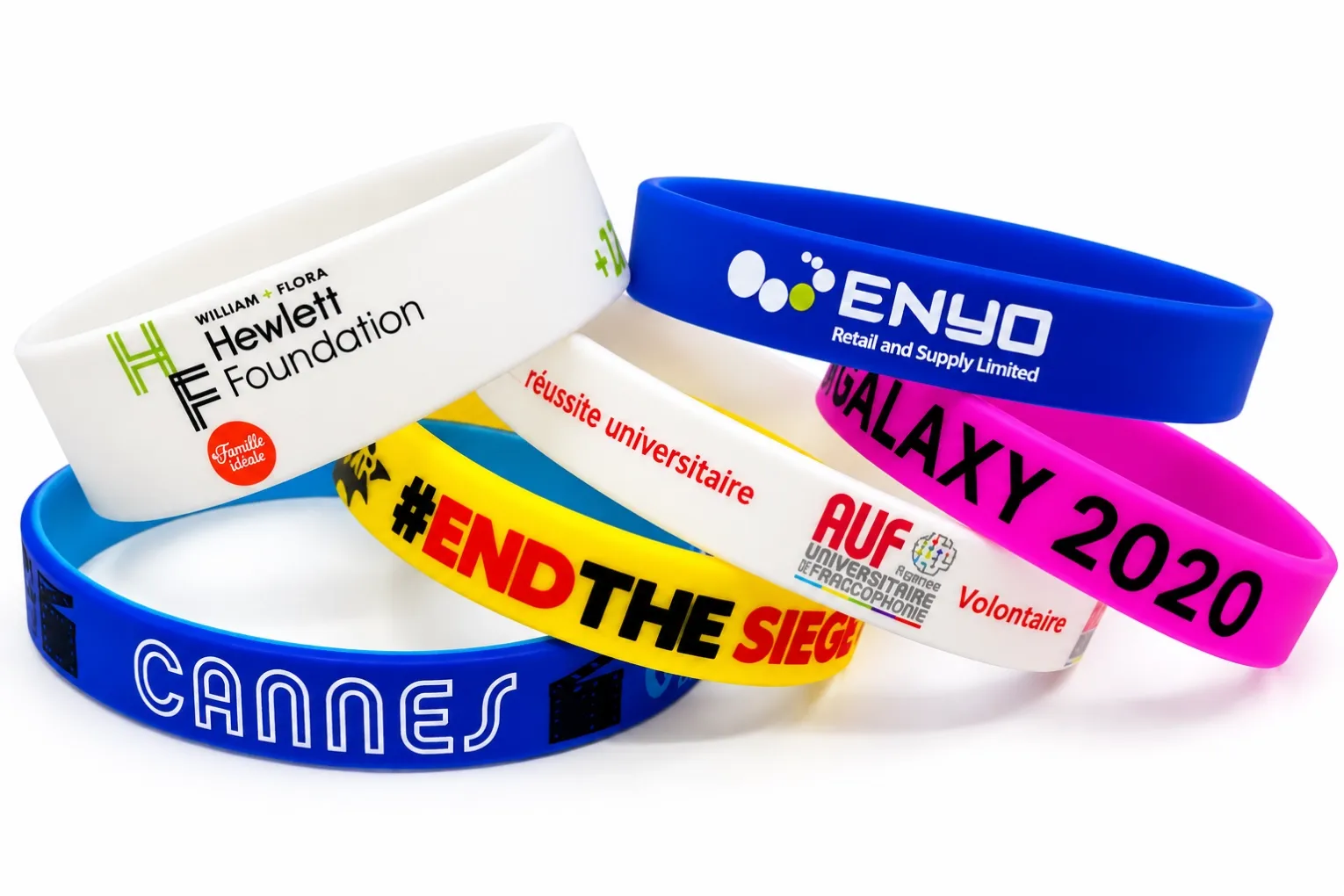
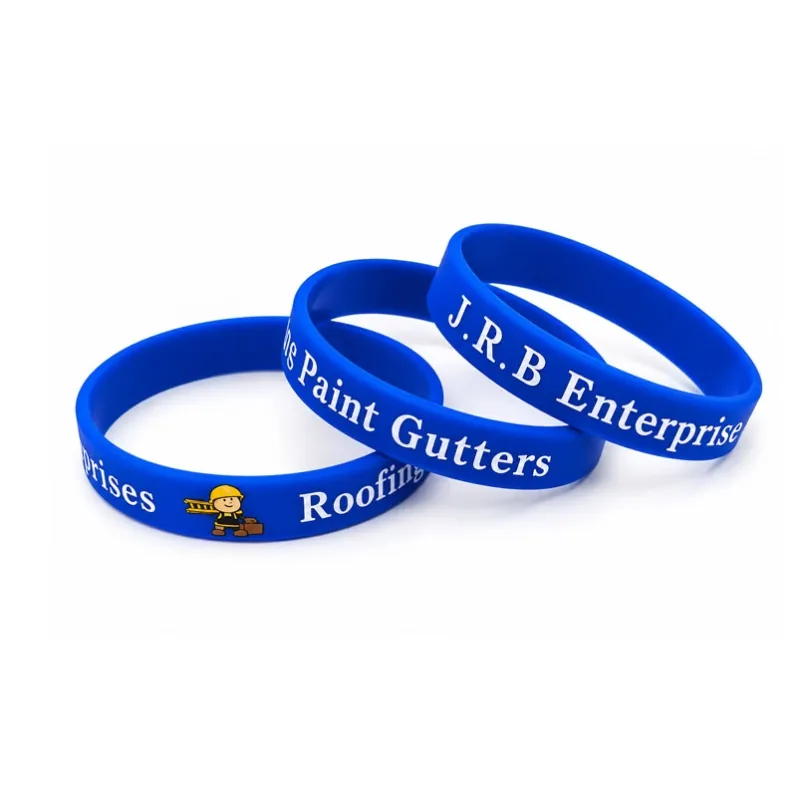
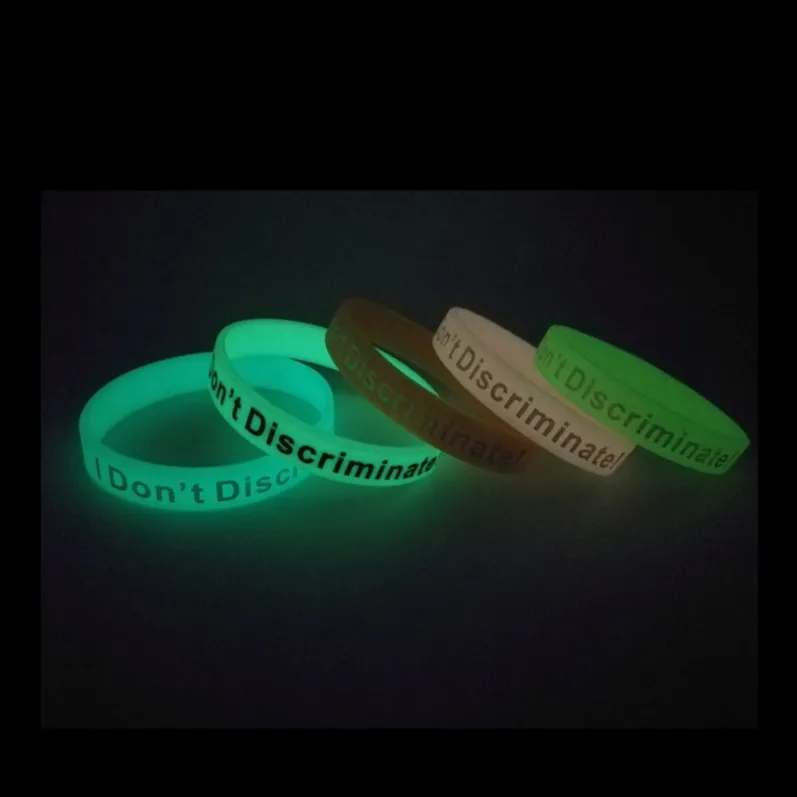
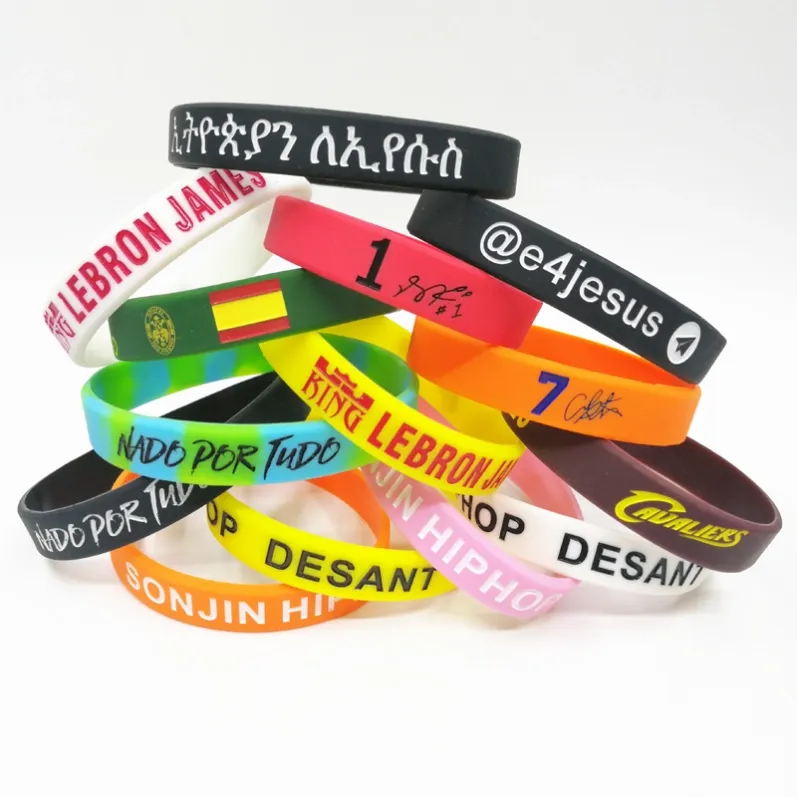
Custom silicone wristbands are widely used for promotional campaigns, corporate gifts, sports events, fundraising activities, and branded merchandise.
While debossed and embossed logos are popular customization methods, some buyers prefer a printed logo with a smooth surface appearance.
Pad printing is one method used to apply logos, lettering, and simple graphics to silicone wristbands. It uses specialized equipment to transfer ink onto the product surface.
But how does silicone wristband pad printing actually work? What affects print quality, and what should wholesale buyers check before placing an order?
In this article, we take a closer look at the silicone wristband printing process using real production footage from ZQRUN.
1. What Is Silicone Wristband Pad Printing?
Pad printing is an indirect printing process that transfers ink from an engraved printing plate onto a product using a flexible silicone printing pad.
The printing pad picks up an ink image from the plate and transfers it to the target surface.
This process is commonly used to print logos, lettering, and decorative graphics on various manufactured products.
For silicone wristbands, pad printing can be useful when a buyer wants a flat printed design rather than a logo molded into the material.
Depending on the artwork, ink formulation, wristband surface, and equipment setup, pad printing can accommodate certain logos and text designs.
However, not every design is suitable for this process. Artwork requirements and print durability should be evaluated before production.
2. Watch the Silicone Wristband Pad Printing Process
The following video shows an industrial pad printing machine operating with silicone wristbands.
The footage demonstrates the movement of the printing equipment and the handling of wristbands during the printing process.
Unlike computer-generated manufacturing animations, this video shows actual production equipment in operation.
The purpose is to help international buyers better understand how printed silicone wristbands are manufactured.
3. How Does the Pad Printing Process Work?
The production process involves several important stages.
Step 1: Preparing the Silicone Wristbands
Before printing, the wristbands must be suitable for the selected ink and printing process.
The surface condition is important because silicone has relatively low surface energy, which can make ink adhesion challenging.
Depending on the material and ink system, appropriate cleaning, surface preparation, or pretreatment may be required.
The supplier should confirm the suitable process for the specific wristband material.
Step 2: Preparing the Logo Artwork
The customer's logo is reviewed and prepared for the printing process.
Important details include:
- Logo dimensions
- Text size
- Artwork positioning
- Number of print colors
- Line thickness
- Required printing area
Vector artwork such as AI, EPS, or PDF is helpful when available.
Very fine lines and small lettering may need adjustment to achieve a clear printed result.
Step 3: Preparing the Printing Plate and Ink
The required artwork is transferred to a printing plate.
Ink fills the engraved image area, and the silicone printing pad picks up the ink pattern.
The ink must be compatible with the wristband material and the intended curing process.
Selecting a suitable ink system is particularly important for flexible silicone products.
Step 4: Positioning the Wristband
The wristband is placed in a fixture that holds it in the correct printing position.
Consistent positioning helps maintain logo alignment throughout the production run.
For custom promotional products, even a small alignment difference may affect the appearance of the finished design.
Step 5: Transferring the Printed Logo
The printing pad moves from the printing plate to the wristband surface.
When it contacts the wristband, the ink image is transferred to the selected area.
The pad's flexibility allows it to conform to some non-flat surfaces, although the printable area and design limitations depend on the equipment and product shape.
For multicolor designs, additional printing operations or alignment steps may be required.
Step 6: Drying or Curing
After printing, the ink must be dried or cured according to the selected ink system.
The curing conditions are important for ink adhesion and the finished appearance.
Some ink systems require specific curing temperatures, times, or additional treatment.
The correct process depends on the material, ink formulation, and product specifications.
Step 7: Quality Inspection
Finished wristbands should be checked against the approved artwork or sample.
Typical inspection points include print position, color, clarity, coverage, and visible printing defects.
Where required, suitable adhesion and wear-resistance tests should also be agreed upon before mass production.
4. Why Use Pad Printing for Silicone Wristbands?
Pad printing can offer several advantages for suitable designs.
Flat Logo Appearance
Unlike embossed or debossed wristbands, a printed logo sits on the product surface instead of being formed as a raised or recessed design.
Suitable for Certain Logo Shapes
Pad printing can reproduce selected logos, text, and graphic details, provided the artwork is compatible with the printing process.
Flexible Printing Pad
The printing pad can accommodate some surface contours and shapes that would be difficult to print using a rigid printing surface.
Repeatable Printing Position
With suitable fixtures and equipment setup, the process can support consistent placement of logos during batch production.
These advantages depend on correct production preparation and should not be interpreted as guarantees for every wristband design.
5. Pad Printing vs Screen Printing for Silicone Wristbands
Pad printing and screen printing are different methods of applying ink to products.
Understanding the differences can help buyers choose the appropriate process.
Feature | Pad Printing | Screen Printing |
|---|---|---|
Ink transfer | Flexible printing pad | Screen and squeegee |
Suitable surface | Selected curved or shaped areas | Commonly flatter or suitably supported areas |
Artwork | Logos, text and suitable graphics | Logos, text and suitable graphics |
Equipment | Printing pad, plate and fixture | Screen, squeegee and fixture |
Best application | Depends on design and contact area | Depends on design and printable area |
Neither method is automatically superior.
For silicone wristbands, the decision should consider artwork size, wristband geometry, ink compatibility, print durability, and production setup.
Ask the supplier to review the actual artwork before confirming the printing method.
6. Pad Printed vs Debossed and Embossed Logos
Pad printing is not the only way to customize a silicone wristband.
Buyers may also consider molded designs.
Pad Printed Logo
Ink is applied to the surface of the wristband. This produces a flat printed appearance.
Debossed Logo
The logo or lettering is recessed into the silicone during molding.
Embossed Logo
The logo or lettering is raised above the wristband surface.
Color-Filled Debossed Logo
A contrasting color is applied within the recessed logo area.
One important difference is that printed designs depend on ink adhesion and resistance to wear, while molded designs form part of the wristband's structure.
For applications involving frequent stretching, rubbing, or long-term wear, discuss the expected durability of each method with the supplier.
7. How Durable Are Printed Silicone Wristband Logos?
Durability is an important consideration when ordering custom printed wristbands in bulk.
Silicone wristbands are flexible and may be repeatedly stretched, handled, washed, or rubbed against other surfaces.
Printed logos can be affected by these conditions.
The durability of a printed design depends on factors such as:
- Silicone material formulation
- Surface preparation
- Ink compatibility
- Printing method
- Curing conditions
- Wristband flexibility
- Expected usage environment
For orders with specific performance requirements, buyers should request suitable testing rather than relying only on visual appearance.
Useful evaluations may include adhesion checks, rubbing resistance, repeated-flexing tests, and other tests relevant to the final application.
The acceptance criteria should be agreed upon before production.
A good-looking sample is important, but the printed logo must also be suitable for the way the wristband will be used.
8. What Affects Silicone Wristband Printing Quality?
Several production factors influence the final printed result.
Logo Size and Detail
Small text and complicated graphics can be more difficult to print consistently.
Simple, clearly defined artwork is often easier to reproduce.
Ink and Wristband Compatibility
The selected ink system must be appropriate for silicone.
Incorrect ink selection or surface preparation can lead to poor adhesion.
Printing Alignment
The wristband must be positioned correctly in the fixture to maintain consistent logo placement.
Ink Transfer
Poor transfer can result in incomplete lettering, uneven coverage, or unclear edges.
Curing Conditions
The printing process must include the correct curing conditions for the chosen ink system.
Product Handling
Handling, packaging, and storage before the print is fully ready for use can affect the finished result.
For large orders, it is useful to approve a representative printed sample before mass production.
9. What Affects the Cost of Pad Printed Silicone Wristbands?
Wholesale printing costs depend on several factors.
Order quantity: Production setup costs can be distributed across larger quantities.
Logo complexity: Detailed artwork may require additional preparation.
Number of print colors: Multicolor designs may require additional printing and alignment operations.
Wristband dimensions: Size and shape influence material usage and printing setup.
Ink and pretreatment requirements: Compatible ink systems and any necessary surface preparation affect processing costs.
Sample requirements: Physical sampling and testing may involve additional charges.
Packaging: Individual bags, printed cards, and customized packaging add to the overall order cost.
Rather than comparing unit prices alone, ask suppliers to clarify which printing, sampling, packaging, and inspection requirements are included.
10. How to Prepare Artwork for Silicone Wristband Pad Printing
Before requesting a quotation, prepare a clear version of your logo or artwork.
The following information is helpful:
- Logo file in AI, EPS, PDF, or another suitable format
- Required wristband circumference and width
- Wristband base color
- Logo color and Pantone reference, if necessary
- Required logo dimensions
- Printing position
- Estimated order quantity
- Packaging requirements
- Destination country and required delivery date
If you are unsure whether your logo is suitable for pad printing, send the artwork to the supplier for evaluation.
The final process should be selected based on the actual design and product specifications.
11. Common Problems to Check Before Bulk Production
Poor Ink Adhesion
A printed logo may not bond properly if the ink, surface preparation, or curing process is unsuitable.
Blurred Logo Edges
Poor ink transfer or unsuitable artwork details can affect print clarity.
Inconsistent Logo Position
Improper product positioning may cause differences between wristbands.
Color Differences
Printed colors can differ from digital artwork or screen displays.
For projects requiring brand consistency, physical color references and sample approval are useful.
Inadequate Wear Resistance
A logo that looks acceptable immediately after printing may not perform as expected during repeated use.
For demanding applications, define appropriate durability requirements before production.
12. Why Real Production Videos Matter to B2B Buyers
When sourcing customized promotional products from overseas, buyers often want more than product photographs.
Manufacturing videos can help buyers understand:
- Which production processes are involved
- How industrial equipment operates
- How products are positioned during customization
- Why artwork preparation matters
- Which quality considerations should be discussed
A short video cannot verify every aspect of a supplier's quality system or production capacity.
However, authentic manufacturing footage provides useful context and helps buyers ask more informed questions.
At ZQRUN, we share real production videos to provide a clearer view of selected manufacturing and customization processes.
Frequently Asked Questions
Can a company logo be pad printed on silicone wristbands?
Yes, suitable logos can be pad printed on silicone wristbands using compatible inks and appropriate production methods. Artwork and material compatibility should be reviewed first.
Is pad printing the same as screen printing?
No. Pad printing transfers ink using a flexible printing pad, while screen printing uses a printing screen and squeegee.
Will a printed logo peel off?
Printed logo durability depends on ink adhesion, surface preparation, curing, and use conditions. Suitable samples and testing can help evaluate performance.
Can multiple colors be printed?
Multicolor printing may be possible depending on the design, equipment, alignment requirements, and available processes.
Is pad printing better than debossing?
Neither method is universally better. Pad printing creates a flat printed appearance, while debossing forms the logo into the silicone surface.
Can I request a printed sample before mass production?
Sample availability and testing arrangements should be discussed with the supplier. A sample can help confirm print clarity, color, placement, and performance.
What information is required for a quotation?
Provide your logo, quantity, wristband size, colors, printing position, packaging requirements, and delivery destination.
Custom Printed Silicone Wristbands from ZQRUN
Whether you are sourcing silicone wristbands for an event, corporate campaign, promotional gift program, or wholesale distribution, choosing the right logo process is an important part of product customization.
ZQRUN supplies custom silicone promotional products for international B2B buyers.
Our team can review your artwork and discuss suitable logo customization options, including printing and molded designs, according to your project requirements.
Looking for custom silicone wristbands with your company logo?
Send us your artwork, estimated order quantity, preferred wristband dimensions, colors, and delivery destination.
Contact ZQRUN to discuss your project and request a quotation.