Metal Products
How Are Custom Metal Keychains Made?
Learn how custom metal keychains are made, from artwork and production setup to metal forming, colors, finishes, attachments, inspection and packaging.
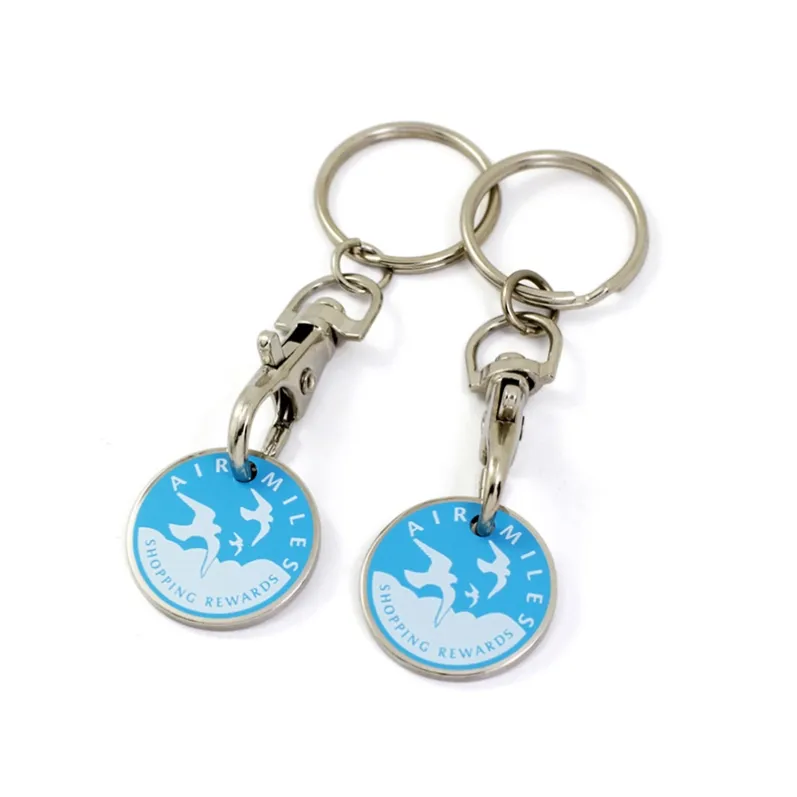
Custom metal keychains are widely used for brands, events, souvenirs, clubs, organizations, promotional campaigns and corporate gifts. They can be customized with different logos, shapes, colors, metal finishes and attachments to match a specific design or project.
But how does a logo or artwork become a finished metal keychain?
The exact manufacturing process depends on the material, design, finish and production method. However, most custom metal keychain projects follow a similar sequence, beginning with artwork preparation and ending with inspection and packaging.
In this guide, we explain the main steps involved in creating custom metal keychains and what buyers should prepare before placing an order.
1. Start with Your Logo or Artwork
Every custom metal keychain project begins with a design.
This may be:
- Company logo
- Brand name
- Event artwork
- Club emblem
- Organization symbol
- Character or illustration
- Souvenir design
- Custom text
Clear artwork helps the manufacturer understand the shape, details, colors and overall appearance you want.
Vector artwork is preferred when available because it can be resized and adjusted more easily during production preparation.
If you do not have a vector file, provide the highest-quality version of your artwork available.
2. Confirm the Keychain Specifications
Before production artwork is prepared, the basic product specifications need to be confirmed.
These normally include:
Size
Determine the required width and height of the metal piece.
Shape
Choose a standard shape or create a custom outline based on your logo or artwork.
Colors
Specify enamel or other color requirements where applicable.
Metal Finish
Choose the preferred metal appearance according to the available options.
Attachment
Select the key ring, chain or other attachment required for the project.
Quantity
Provide the expected order quantity.
Packaging
Specify individual bags, custom packaging or other requirements where available.
Confirming these details early helps reduce unnecessary revisions later.
3. Prepare the Production Artwork
The original logo is not always ready to go directly into production.
It may need to be converted into production artwork that shows details such as:
- Final dimensions
- Product shape
- Logo position
- Text
- Metal areas
- Color areas
- Raised or recessed details
- Attachment position
- Metal finish
Very small text, thin lines or complicated details may need to be adjusted depending on the production method and size of the keychain.
The artwork should be reviewed and approved before tooling or mass production begins.
4. Prepare the Tooling or Production Setup
Depending on the type of metal keychain and manufacturing process, tooling or another form of production setup may be required.
The approved artwork is used as the reference for creating the required production tools.
This step helps define elements such as:
- Product shape
- Logo details
- Raised areas
- Recessed areas
- Decorative patterns
- Attachment points
The exact tooling process varies according to the material and manufacturing method.
For this reason, buyers generally do not need to specify how the tooling should be made. Instead, it is more important to provide accurate artwork and clearly define the desired finished product.
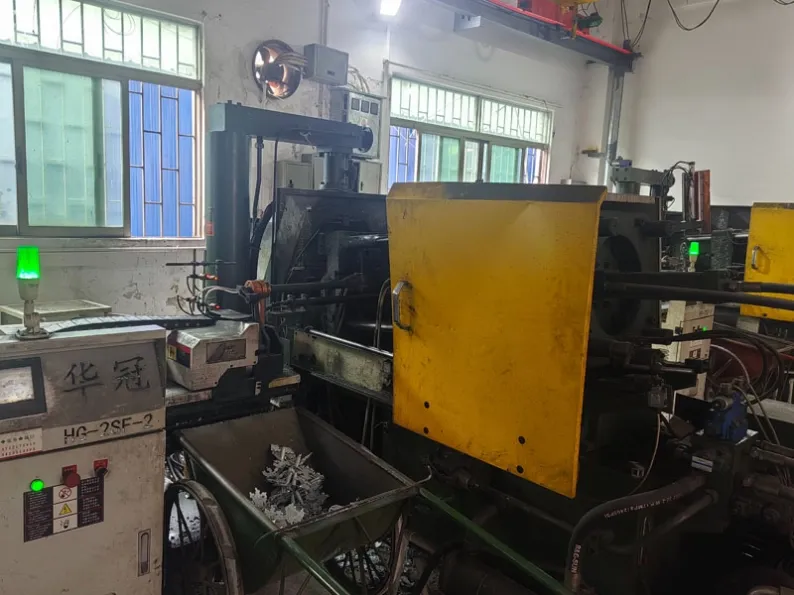
5. Form the Metal Keychain
After the production setup is ready, the main metal component can be formed.
Different manufacturing methods may be used depending on:
- Base material
- Product thickness
- Shape
- Logo details
- Order requirements
- Desired appearance
For example, some designs may use molded or cast metal components, while other products may require different metal-forming processes.
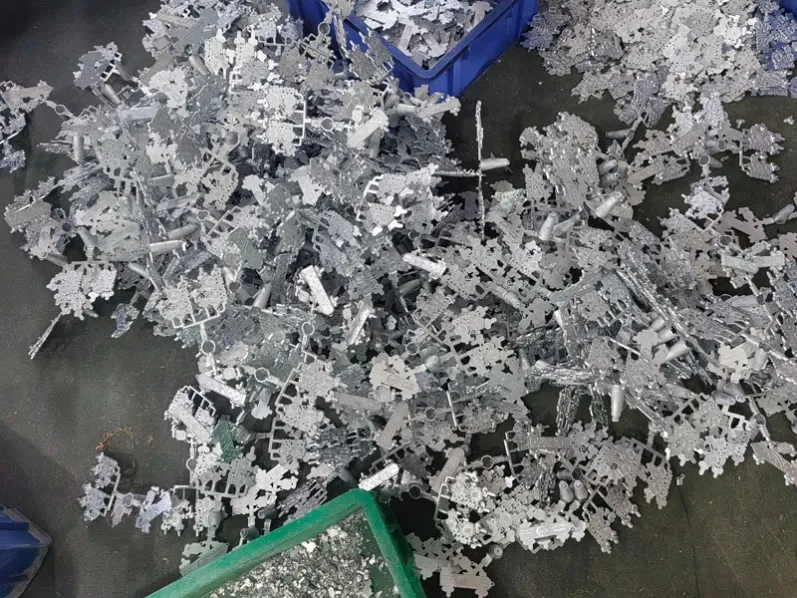
After forming, excess material and rough edges may need to be removed or refined.
At this stage, the keychain begins to take its physical shape.
6. Add Raised and Recessed Details
Many custom metal keychains use different surface levels to create logos, text and decorative elements.
These may include:
- Raised logos
- Recessed backgrounds
- Lettering
- Borders
- Patterns
- Symbols
The contrast between raised and recessed areas can make the design visible even when little or no color is used.
This technique is particularly useful for antique-style or metal-focused designs where the metal surface itself is part of the artwork.
7. Add Enamel or Color When Required
Not every metal keychain requires color.
Some designs rely mainly on the metal finish, while others use enamel or colored details to reproduce brand colors and artwork.
When color is required, the production artwork identifies where each color should be placed.
Color choices may be based on:
- Company branding
- Original artwork
- Event theme
- Organization colors
- Product design
Pantone references can be provided when specific colors are important to the project.
The color process used depends on the product design and manufacturing specifications.
8. Apply the Metal Finish
The metal finish is an important part of the final appearance.
Depending on the product and production process, different finish options may be available, including bright, darker or antique-style appearances.
The finish can affect how the:
- Logo looks
- Colors appear
- Raised details stand out
- Recessed areas are perceived
- Overall product feels visually
For example, a colorful enamel keychain with a bright metal finish can look very different from a detailed metal keychain with an antique-style finish.
The finish should therefore be selected together with the artwork rather than treated as an afterthought.
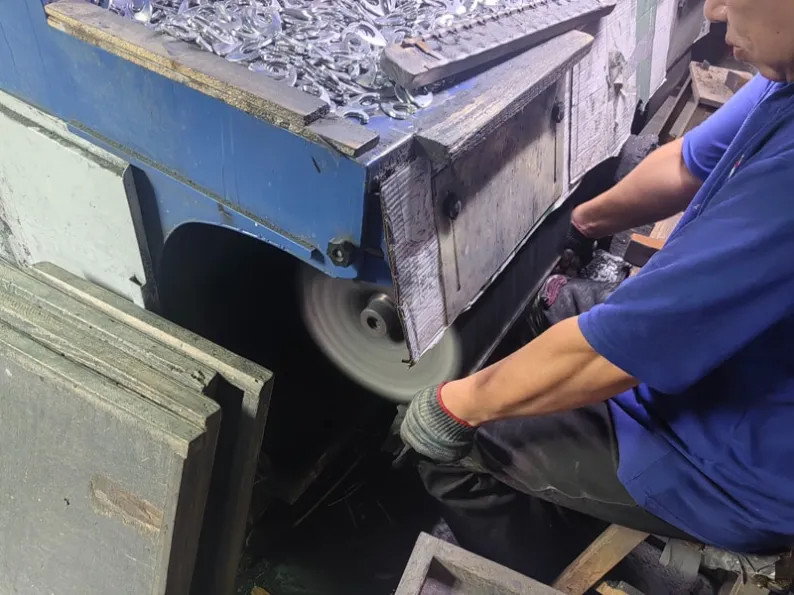
9. Polish and Refine the Product
Depending on the required finish and production process, the metal components may go through additional finishing steps.
These can help refine:
- Surface appearance
- Edges
- Raised details
- Metal borders
- Overall presentation
The exact finishing procedure depends on the type of keychain being produced.
This is another reason why it is important to confirm the intended appearance before mass production.
10. Add the Keychain Attachment
Once the main decorative metal component is ready, the attachment can be assembled.
Common configurations may include:
- Split key rings
- Chains
- Connectors
- Other custom hardware options
The appropriate attachment depends on the size, weight and design of the metal piece.
The attachment should also be considered during the artwork stage because the connection point affects how the finished keychain hangs.
For custom-shaped products, the location of the attachment can influence the balance and orientation of the keychain.
11. Inspect the Finished Keychains
Quality inspection is an important step before packaging and shipment.
Depending on the product specifications, inspection may include checking:
- Product size
- Shape
- Logo
- Text and spelling
- Colors
- Metal finish
- Surface appearance
- Attachment
- Assembly
- Packaging
The finished product should be compared with the approved specifications.
If a project has specific quality requirements, these should be discussed before production.
12. Package the Keychains
After inspection, the finished keychains are prepared for packaging.
Packaging requirements depend on how the products will be distributed or sold.
Options may include standard individual packaging or customized packaging depending on project requirements.
For retail, corporate gift or branded merchandise projects, packaging can also be considered part of the overall product presentation.
If special packaging is required, it is better to specify this when requesting the original quotation rather than after production has been completed.
How Long Does It Take to Make Custom Metal Keychains?
Production time depends on several factors, including:
- Product design
- Quantity
- Material
- Manufacturing process
- Metal finish
- Color requirements
- Sampling requirements
- Packaging
- Current production schedule
A simple design and a complex multi-process design may require different production times.
For this reason, buyers with a fixed event or delivery deadline should provide the required date when requesting a quotation.
This allows the supplier to review the project requirements and production schedule before the order is confirmed.
Do You Need a Sample Before Mass Production?
Whether a sample is needed depends on the project.
A sample may be useful when:
- The design is complex
- Color is particularly important
- The product has unusual dimensions
- A special finish is required
- The order quantity is significant
- Final appearance requires additional confirmation
For some projects, artwork approval may provide sufficient confirmation. For others, a physical sample may be preferred.
Discuss the sampling requirement before production so it can be included in the project schedule.
What Information Should You Send for a Quote?
If you are planning a custom metal keychain project, prepare as much of the following information as possible:
Logo or Artwork
Send your original design file.
Quantity
Provide the approximate number of keychains required.
Size
Specify the preferred width and height.
Shape
Provide the required shape or allow it to follow the logo outline.
Colors
Specify color requirements and Pantone references where applicable.
Metal Finish
Provide the preferred finish if known.
Attachment
Specify the required key ring, chain or other hardware.
Packaging
Provide any special packaging requirements.
Required Delivery Date
Mention any fixed project or event deadline.
If you are unsure about some specifications, start by sending the artwork, quantity and intended application.
Frequently Asked Questions
Can metal keychains be made in custom shapes?
Yes. Custom metal keychains can be produced in many shapes based on logos, artwork and project requirements. Very complicated or narrow design areas may need to be adjusted for production.
Can I add my company logo?
Yes. Company logos, text and custom artwork can be incorporated into metal keychain designs.
Can metal keychains have custom colors?
Yes. Depending on the design and production process, custom colors can be added. Pantone references can be provided when specific brand colors are required.
Can I choose the metal finish?
Different metal finish options may be available depending on the product and manufacturing process. Provide your preferred appearance when requesting a quotation.
Can I choose the key ring or attachment?
Different attachment options may be available. The appropriate option depends on the keychain size, design and intended application.
Can I see a sample before mass production?
Sample options are available for custom projects. Provide your artwork and order requirements to discuss sampling options.
How long does production take?
Production time varies according to the design, quantity, manufacturing process, finish, sampling and packaging requirements. Provide your required delivery date when requesting a quotation.
What files should I send?
Vector artwork is preferred when available. If you do not have a vector file, send the highest-quality version of your logo or artwork available for review.
Ready to Create Your Custom Metal Keychains?
Creating a custom metal keychain involves more than adding a logo to a standard product. The artwork, shape, size, colors, metal finish and attachment all contribute to the final result.
A clear design and complete specifications can make the quotation, artwork approval and production process more efficient.
Send us your logo or artwork, quantity, size, colors, preferred metal finish, attachment and project requirements. Our team can review your design and provide a quotation for your custom metal keychains.
Request a Quote